Learning Alone or Alongside a Peer?
Learning alone or alongside a peer can shape how you practice and get feedback. Choose a format that fits your next learning task and the support it needs.

The most common mistake in learning alone or alongside a peer is treating one format as the serious choice and the other as a fallback. That can cost you time: solo practice may leave a misunderstanding uncorrected, while a peer session can drift if neither person knows what to work on.
Imagine Maya, a fictional junior designer learning to make color choices in interface mockups. She can use Figma and understands the basics, but she is unsure how to explain her decisions and spot problems in a screen she has reviewed repeatedly. Her team has no formal class, so she must decide whether to study on her own or invite a colleague to learn with her.
The right choice depends on what she needs next: uninterrupted practice, a second perspective, or both in sequence. Each format has strengths, and neither removes the need to choose a useful task.
Solo learning gives you control over pace
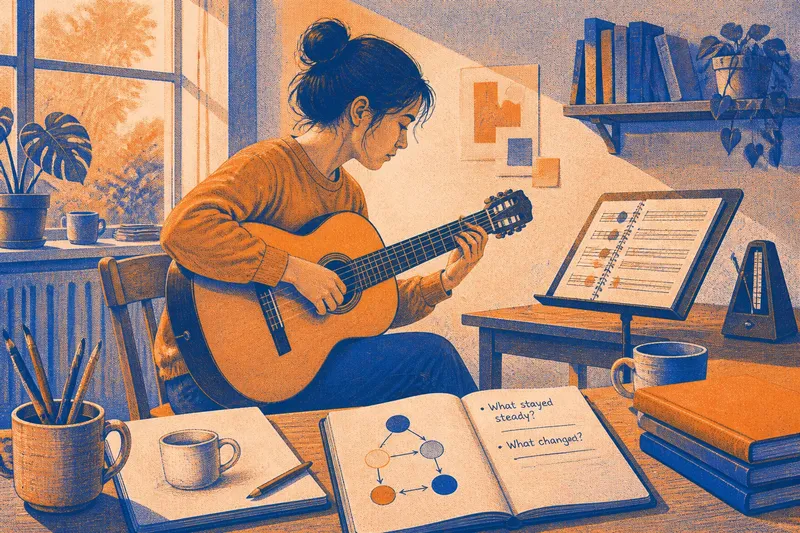
Maya starts by reviewing the team’s existing Figma files and writing down the choices she finds difficult to explain. Working alone lets her pause, revisit a screen, and try alternatives without worrying about holding up a partner.
That freedom suits a learner who needs quiet concentration, has an irregular schedule, or wants to form an initial opinion before hearing someone else’s. Maya can compare two versions of a screen and note what changed in her reasoning as she goes.
Solo learning also puts the planning work on the learner. Maya has to decide what to focus on, which reference to consult, and how to tell whether she has made progress. A tool can help with a narrow check, but it may not explain the broader design judgment behind a choice.
That distinction matters in creative work. A result from a checker or reference is one piece of information; Maya still has to consider how the design works as a whole and seek qualified guidance if she faces a technical question she cannot resolve reliably.
A peer makes reasoning easier to examine
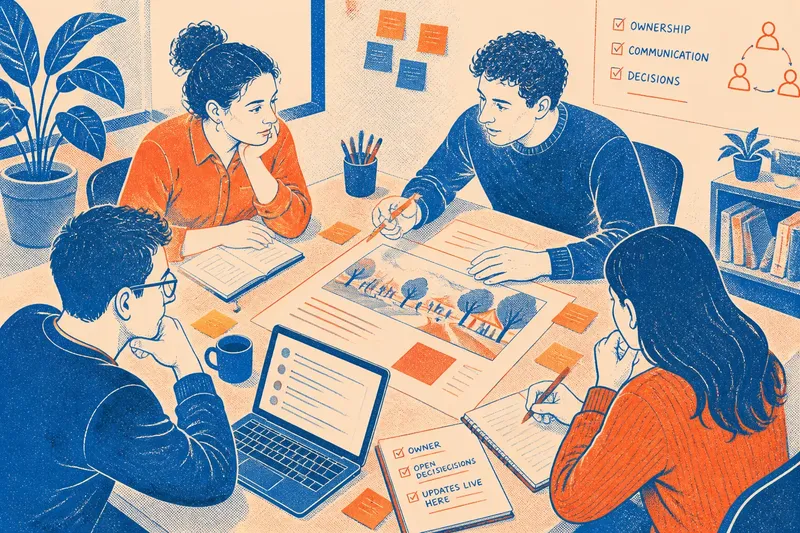
Maya asks her colleague Jordan to review the same mockup with her. Jordan has experience with forms, but they are both learning how to explain their design decisions clearly. They agree to take turns describing one choice and asking a focused question about it.
Conversation can expose assumptions that stay hidden during solo practice. Jordan might ask why Maya emphasized one button, while Maya might notice that Jordan is responding to visual preference rather than the purpose of the screen. The point is not to make either person the authority; it is to give both learners another line of reasoning to consider.
Peer feedback can also be mistaken or incomplete. A confident opinion is not automatically a rule, and two learners may share the same blind spot. Maya and Jordan keep their exchange specific: instead of asking whether a screen looks good, they ask what seems unclear and what led them to that impression.
Focused questions are kinder and more useful than a vague request for approval. They give the other person something concrete to observe, while leaving the designer responsible for deciding what to change.
Shared practice works when the roles are clear
Maya and Jordan choose a screen before meeting and bring one question each. That small amount of preparation helps them start with a real learning task rather than spending the session deciding what to study.
Collaboration can become frustrating if one person does all the preparation, controls the file, or turns the conversation into a one-way lesson. They take turns explaining a decision, listening, and asking for a response so both people have an active role.
They keep their commitment modest: inspect one screen, discuss their questions, and write down what remains unclear. If one person cannot attend, the other can still continue solo and save the unresolved question for another time.
A focused sequence can use both formats
Maya decides to work independently before meeting Jordan. She first records what she thinks about the mockup, then brings one unresolved question to their conversation. This gives her room to develop her own view before hearing a peer’s response.
Say Maya has chosen a pale green background for a small button and is unsure whether the button stands out clearly. She opens the mockup in Figma, notes that the button blends into nearby elements, and writes down the question, “What draws your eye first?” At their session, Jordan says the button’s position also makes its purpose hard to distinguish; Maya then revises its placement and color, and asks Jordan to look at the new version. The visible outcome is a changed mockup and a more focused question about whether the action is clear, not proof that every design choice is settled.
This approach keeps peer time from replacing individual effort. Maya does not ask Jordan to watch every attempt or choose the final option for her. She brings a defined uncertainty, considers the response, and remains responsible for her revision.
Choose a learning format that fits the task
When Maya has a question she can explore through a reference or repeated practice, independent work is a reasonable starting point. When she needs to hear how another person interprets a draft or wants someone to question an assumption, a peer session may add a useful perspective.
It helps to distinguish a need for feedback from a need for instruction. If both learners are unsure about a technical requirement, guessing together is not a substitute for a reliable source or guidance from someone qualified to answer. If they understand the requirement but are weighing how to apply it in a particular design, comparing their reasoning may help.
Availability matters, too. A shared session depends on compatible schedules and both people being willing to prepare and listen. If that arrangement is impractical, Maya can continue alone and bring a carefully framed question to a colleague later.
Questions can clarify which format fits?
When is solo learning a better fit?
Solo learning can suit a task that needs concentration, flexible timing, or repeated attempts without interruption. It also lets a learner form an initial view before hearing someone else’s.
When should a learner invite a peer?
Invite a peer when another person’s questions or response to a draft could help reveal an assumption. A clear purpose makes it easier for both people to prepare and contribute.
What if the two learners move at different speeds?
They can study the same subject without completing every task together. One person can prepare independently and bring a specific question to the shared session, while the other focuses on a smaller part of the work.
How can a peer session stay focused on learning?
Agree on the kind of feedback before opening the work. Asking for one observation and one question can keep the conversation specific without turning it into a verdict on someone’s ability.
A small planning habit makes the next choice clearer
Before beginning a learning task, Maya writes down what she does not yet understand. If she can investigate it through quiet practice or a reference, she starts alone; if it depends on how another person reads the work, she asks for a focused conversation.
That habit makes learning alone or alongside a peer a practical decision about the work at hand, not a permanent preference. The most useful next move is the one that gives her a clear way to practice, check her thinking, or ask for help.